Magnesium Glycinate for Menopause Sleep: Does It Help?

You wake at three in the morning, throw the duvet off, cool down, and then lie there completely alert while the rest of the house sleeps. If that pattern has become your normal, you have probably already come across magnesium glycinate as a natural fix for menopause sleep problems. It is one of the most recommended supplements in midlife health circles, so it makes sense to look at what it actually does before you add another bottle to the bathroom shelf.
The short answer is that magnesium glycinate is a reasonable option to try, and the evidence behind magnesium and sleep is promising in places but mixed overall. It is not a guaranteed cure for night waking, and it does not suit everyone. Here is a clear look at the research, the reasoning behind the recommendation, and how to use it sensibly.
Why sleep becomes harder during perimenopause and menopause
Broken sleep is one of the most common reasons women seek help in midlife. Night sweats and hot flushes can pull you out of sleep several times a night, and even once the temperature settles, many women find they wake in the early hours and cannot drift back off. Stress, a busy mind and changing routines all layer on top of that.
Because the cause is often hormonal rather than a simple sleep hygiene issue, standard advice such as avoiding screens before bed only goes so far. That is usually the point at which women start looking at supplements, and magnesium glycinate is one of the first names that comes up.
What magnesium glycinate actually is
Magnesium is a mineral involved in a long list of processes in the body. In supplement form it is always bound to something else, and the thing it is bound to changes how it behaves in your gut and how well it is absorbed.
Magnesium glycinate pairs magnesium with glycine, an amino acid. According to Dr Louise Newson's knowledge hub, magnesium glycinate is the form best suited to sleep, anxiety and muscle relaxation, while magnesium citrate is more useful for constipation and general supplementation. Magnesium glycinate also has a reputation for being gentle on the stomach and easily absorbed, which matters if you have ever taken a cheaper magnesium oxide and regretted it.
What the research says about magnesium and sleep
The evidence is genuinely mixed, and it is important to be honest about that. One trial showed that 500mg of magnesium supplementation increased sleep time and sleep efficiency compared with a placebo, according to the Menopause Dietitian, Laura Clark. Other trials have produced less consistent results.
Boots' health hub notes that some research suggests magnesium supplementation may be associated with improvements in self-reported sleep quality. That wording matters. Self-reported sleep quality is how people describe their own sleep, not a lab measurement, and it is a softer measure than sleep tracking data.
On the menopause side, Midi reports that magnesium for sleep can help improve insomnia and reduce night sweats during menopause by calming the nervous system and supporting relaxation. That is a plausible mechanism and it fits with how magnesium is used in practice, although much of the direct research has not been carried out specifically on menopausal women. In other words, the reasoning is sound but the menopause-specific evidence is thinner than the confident claims online might suggest.
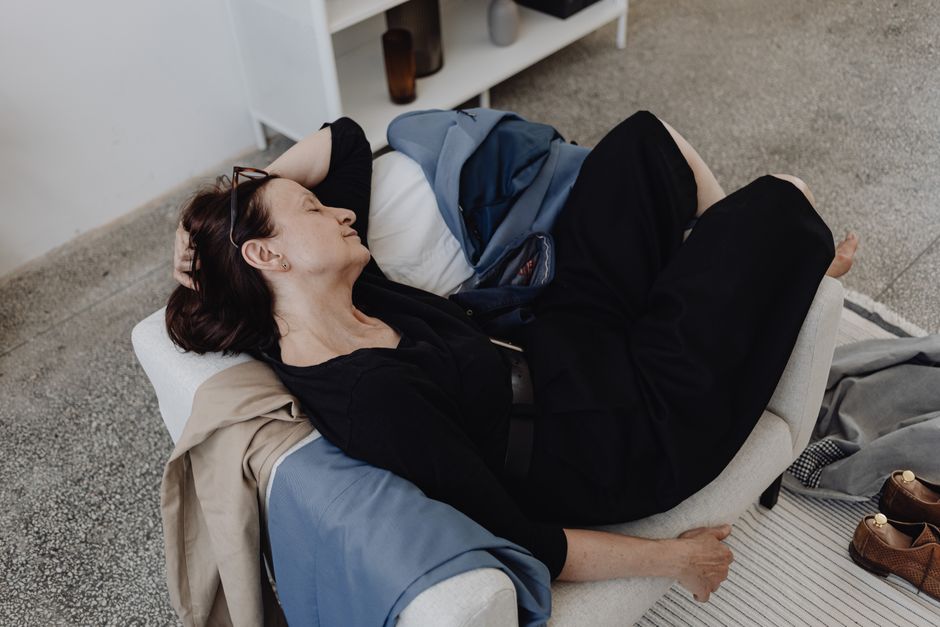
Photo by Jonathan Borba on Pexels
Why magnesium glycinate gets linked with menopause in particular
Two things have pushed magnesium glycinate into the menopause conversation. The first is that it is widely recommended for sleep, anxiety and muscle relaxation, and all three are common complaints in midlife. Since sleep is often the symptom women most want to fix, a supplement aimed at sleep quickly becomes popular.
The second is that it has become a standard ingredient in menopause-specific products. The Better Menopause includes magnesium glycinate as a key ingredient in its Better Night supplement, which is designed to improve anxiety, mood and sleep. Seeing it in products built for this life stage is reassuring, but it is worth remembering that this shows it is a popular formulation choice, not proof that it will work for you.
Magnesium glycinate compared with other forms
Not all magnesium supplements are interchangeable. The two forms you are most likely to see recommended are glycinate and citrate.
Form | Most often used for | What to know |
Magnesium glycinate | Sleep, anxiety and muscle relaxation | Often described as gentle and easily absorbed, which is why it is the usual evening choice |
Magnesium citrate | Constipation and general supplementation | Useful if sluggish digestion is part of your picture, less commonly recommended specifically for sleep |
If sleep is your main concern, glycinate is the form most guidance points you towards. A recent BBC Good Food review of magnesium supplements rated a magnesium glycinate product at £8.99 four out of five stars, describing it as a good option for sleep and easily absorbed. Price alone is not a guide to quality, but it does show that effective options do not have to be expensive.
Photo by Noel Nicolas on Pexels
How and when to take it
Magnesium glycinate is usually taken in the evening because it fits naturally into the wind-down part of the day. Women's Health Network describes it as a good fit for taking when you are winding down before bed, which is also when most people find it easiest to remember.
Consistency tends to matter more than precise timing. Taking it at roughly the same point each night makes it easier to judge whether it is helping. Some women notice a difference fairly quickly, others notice nothing at all, and a few find it makes no difference until they address other things such as caffeine, alcohol or a hot bedroom.
There is also a less discussed side to this. A thread on the r/Menopause community, titled from "holy grail" to sleep disruptor, contains reports from women who had taken magnesium glycinate for years before it started causing muscle twitching and insomnia. Anecdotes are not research, but they are a useful reminder that supplements do not behave the same way for everyone. If you notice new twitching or your sleep gets worse rather than better, stop taking it and mention it to your GP.
Dosage: what the guidance says
There is no single agreed dose of magnesium glycinate for sleep during menopause, and any website giving you one exact number is oversimplifying. The trial mentioned above used 500mg of magnesium, but that was a study dose for a specific group of participants, not a personal recommendation for you.
The sensible approach is to follow the directions on the product label, check with your GP or pharmacist before starting, and be especially careful if you take prescription medication or have any existing health conditions. Magnesium can interact with some medicines, so a quick conversation with a pharmacist is worth more than any forum recommendation. If you are unsure whether a supplement is appropriate for you, ask before you buy rather than after.
What else supports sleep in midlife
Supplements work best alongside the basics rather than instead of them. The areas worth reviewing include:
Your bedroom temperature and bedding, since night sweats are often the trigger for waking
Alcohol and caffeine timing, as both can fragment sleep even when you fall asleep easily
A consistent wake time, which helps steady your body clock even after a poor night
Stress management, because a racing mind at 3am is often as disruptive as the sweats
Regular meals with enough protein, which supports steadier energy through the day
None of these are dramatic on their own. Stacked together over a few weeks, they often do more for sleep than any single supplement.
Photo by cottonbro studio on Pexels
Getting proper support if sleep is wrecking your days
Ongoing broken sleep affects mood, concentration, appetite and patience, and it deserves more than a shrug. Speak to your GP, who can review your symptoms and discuss options that may include hormone replacement therapy alongside lifestyle measures. A trained menopause coach can help you put the nutrition, movement and daily habits in place that support better sleep over time.
Magnesium glycinate is worth a fair trial if you decide to try it, but it is one piece of a bigger picture. Track how you sleep for a few weeks, be honest about whether anything has changed, and adjust from there. If it helps, keep going. If it does not, you have lost very little by finding out.
Frequently Asked Questions
How much magnesium glycinate should I take for sleep during menopause?
There is no single agreed dose for menopausal women. One trial used 500mg of magnesium, but that was a research dose rather than a personal recommendation. Follow the directions on your product label, and check with your GP or pharmacist first, particularly if you take prescription medication or have any existing health conditions.
Which form of magnesium is best for sleep in menopause?
Magnesium glycinate is the form most often recommended for sleep, anxiety and muscle relaxation, and it is generally described as gentle and easily absorbed. Magnesium citrate is more commonly suggested for constipation and general supplementation. If your main goal is better sleep, glycinate is the form most guidance points towards.
Why is magnesium often suggested during menopause?
Two reasons. It is widely recommended for sleep, anxiety and muscle relaxation, and all three are common midlife complaints. It is also a key ingredient in menopause-specific supplements formulated for anxiety, mood and sleep. That makes it popular rather than proven, so treat it as something worth trying rather than a guaranteed fix.
Can I take magnesium glycinate every night?
Many women do take it nightly as part of their evening routine. Watch how you respond rather than assuming it will always suit you. Some women report that after taking it for years it began causing muscle twitching and insomnia. If that happens, stop and speak to your GP before continuing.
Does magnesium glycinate help with night sweats?
Midi reports that magnesium for sleep may help improve insomnia and reduce night sweats during menopause by calming the nervous system and supporting relaxation. That mechanism is plausible, but direct research on menopausal night sweats specifically is limited. If sweats are severe or persistent, speak to your GP about the full range of options.
Comments