Mapping Symptoms to Hormonal Root Causes: The Hormone Audit™

If you’re a woman over 40, doing everything “right”—but still gaining weight, waking up at 3am, and feeling like a total stranger in your own body… this is why nothing is working.
I want you to know this first: Your symptoms are not random.
They aren’t happening in isolation. They follow patterns. And once you understand the pattern, you can finally uncover what’s actually driving them.
Most women I work with feel like they’ve lost themselves. The weight creeps up, the mood drops, sleep is broken, the body feels inflamed… and none of it seems to connect. So what do most women do? They try to fix each symptom on its own. A supplement for sleep, a stricter diet for weight, an espresso for the brain fog.
But the biggest problem is that you’re being told to look at each symptom as a separate fire to put out, instead of seeing the full picture.
Stop Playing Symptom Whack-A-Mole
Menopause symptoms don’t happen in isolation, so treating them that way will never work. Weight gain isn’t usually the problem. Low mood isn’t usually the problem. They’re signals. They’re clues.
If you don’t identify the root driver, you stay stuck in years of trial and error, blaming yourself when the latest "shred" or supplement doesn't work.
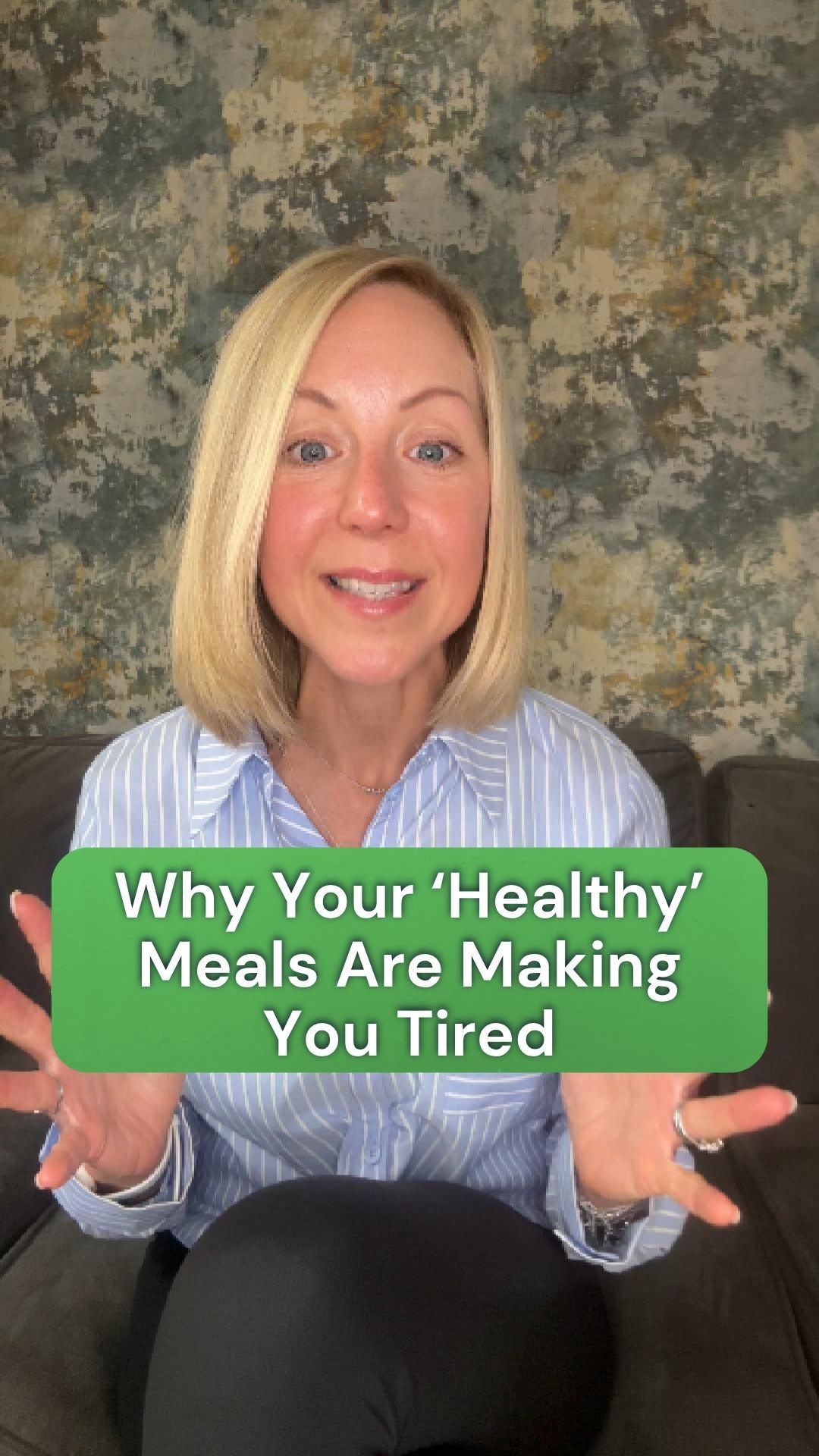
The Shift: Symptoms are Signals, Not the Problem
In my coaching, we move away from "How do I stop this symptom?" and move toward "What pattern is my body showing me?"
Hormones don't work in isolation; they work in a delicate, interconnected web. When one shifts, the others react. In perimenopause, these shifts tend to show up in "clusters." If you have one symptom in a cluster, you likely have others.
Here are the three most common "Root Cause Clusters" I see in midlife women:
1. The Stress & Cortisol Cluster
The Signals: 3am wake-ups, feeling "wired but tired" at night, afternoon energy crashes, increased anxiety, and feeling constantly "on" or overwhelmed. The Driver: Your nervous system is stuck in overdrive. Your cortisol (your stress hormone) is rising at the wrong time: usually in the middle of the night: instead of giving you steady energy throughout the day. This is often the first thing we need to address before we even think about weight loss.
2. The Gut & Blood Sugar Cluster
The Signals: Bloating by the end of the day, brain fog, intense sugar cravings (especially at 4pm), and that stubborn "weight around the middle" that doesn't budge with exercise. The Driver: This is often linked to insulin resistance or gut dysbiosis. As oestrogen fluctuates, our bodies become less efficient at processing carbohydrates. If your blood sugar is a rollercoaster, your energy and focus will be too.
3. The Oestrogen & Progesterone Cluster
The Signals: Heavy or unpredictable periods, mood swings (the "peri-rage" is real), breast tenderness, and night sweats. The Driver: Usually, this is the classic perimenopause shift where progesterone (our "calming" hormone) drops first, leaving oestrogen "unopposed." This creates a state of internal turbulence that makes you feel like you've lost control of your emotions and your cycle.
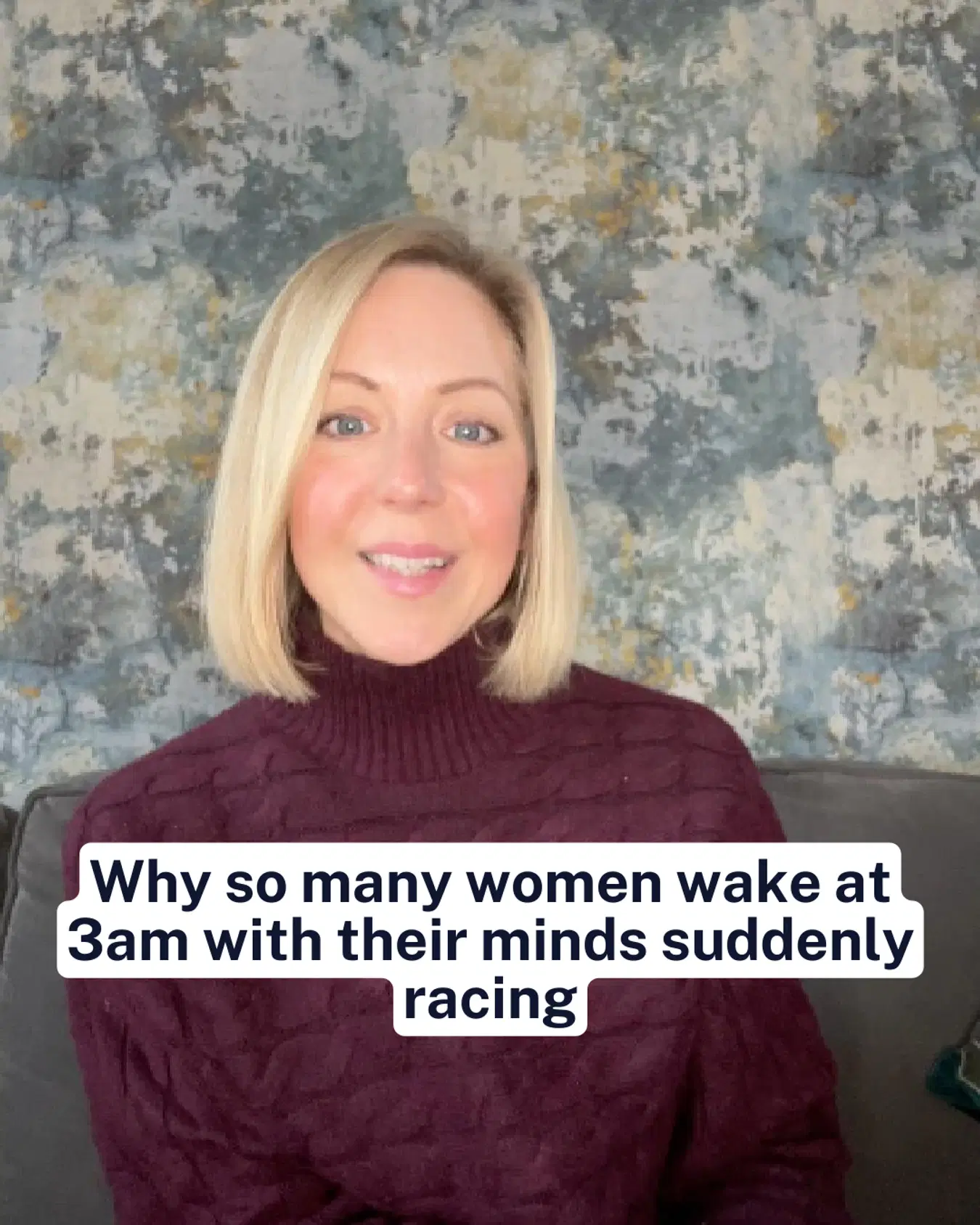
The Method: How to Map Your Own Symptoms
Before you buy another supplement or sign up for another "shred" program, you need clarity. You need data.
I tell my clients to stop trying to "fix" and start trying to "track."
Step 1: The 10-Day Track
For the next 5 to 10 days, keep a simple log. Don’t change your diet. Don’t start a new gym routine. Just observe.
Sleep: When did you wake up? How did you feel?
Energy: When was your lowest point? Did you need caffeine to function?
Mood: Were you snappy? Anxious? Tearful?
Digestion: Any bloating? What did you eat before it happened?
Step 2: The Hormone Mapping
Once you have your data, look for the clusters. Are your symptoms mostly in the "Stress/Cortisol" camp? Or are they pointing toward "Blood Sugar"?
To make this easier, I recommend using a structured tool. I use a questionnaire based on the work of Dr. Sara Gottfried, which helps group your symptoms into these hormonal archetypes.
You can take my Hormone Imbalance Quiz right here to get an immediate head start on identifying your primary driver.
The Outcome: Fix the System, Not the Symptom
When you stop playing whack-a-mole and start supporting the underlying system, the results feel like a deep breath out.
Imagine waking up and actually feeling refreshed at 6am. Imagine having the brain power to sail through a high-stakes meeting without forgetting the word for "spreadsheet." Imagine your clothes fitting comfortably again because your body finally feels safe enough to let go of the "cortisol belly."
This isn't about willpower. It's about biology.
When you target the right driver: whether that's calming your nervous system, stabilizing your blood sugar, or supporting your liver to clear excess oestrogen: the symptoms start to clear up together.
If you're ready to stop guessing and start a clear, root-cause approach, have a look at The Refresh Framework. It’s designed specifically for the woman who is doing everything right but still feels "off."
We don't do restriction. We don't do "more intensity." We do clarity.
Your body is not broken. It’s just communicating. It’s time we started listening.
SEO Quick-Reference Block
Title Tag: Mapping Perimenopause Symptoms to Root Causes | The Hormone Audit™
Meta Description: Feeling overwhelmed by perimenopause symptoms? Learn how to map your symptoms to hormonal root causes like cortisol and blood sugar with the Hormone Audit™.
URL Slug: mapping-perimenopause-symptoms-root-causes
Target Keywords: perimenopause symptoms, mapping symptoms, hormonal root causes, menopause weight gain, brain fog perimenopause, menopause symptoms, perimenopause belly fat, signs of menopause, pre menopausal, signs of menopause at 40, hormone audit
Image Alt Text:
Main Image: Midlife woman feeling exhausted and confused by unpredictable body symptoms.
Video Still 1: Health Coach Lucy explaining why healthy meals might still lead to fatigue.
Video Still 2: Midlife woman in a burgundy sweater discussing 3am wake-ups and cortisol.
Quiz Promo: A high-functioning woman in a grey hoodie ready to take the Hormone Imbalance Quiz.

Comments