
Why You’re Gaining Weight in Perimenopause (Even Though You’re Doing Everything Right)

Does this sound familiar? You’re hitting the gym three times a week, you’ve swapped your afternoon biscuit for an almond, and your dinner plate looks like a Pinterest board for "clean eating." Yet, despite your best efforts, your jeans are feeling... snug. And not in a "I’ve been doing extra squats" kind of way.
If you’re a professional woman in your 40s or 50s, you’re likely used to seeing results when you put in the work. But suddenly, the "calories in vs. calories out" math you’ve used your whole life has stopped adding up. You might be feeling frustrated, confused, or even a little betrayed by your own body.
I want to tell you something right now: You are not broken, and you aren't doing it "wrong."
The truth is, gaining weight in perimenopause despite exercise is one of the most common complaints I hear from women. It’s not a lack of willpower; it’s a biological shift. Your body has changed the "rules of engagement," and it’s time we updated your strategy to match.
Why the Old Rules Don’t Work Anymore
In our 20s and 30s, we could often "white-knuckle" our way to weight loss. A few extra spinning classes and a week of salads usually did the trick. But in perimenopause, your hormones: specifically estrogen, progesterone, and cortisol: are doing a complex dance that changes how you store fat and burn energy.
Let’s look at the "Why" behind the weight gain, so you can stop blaming yourself and start supporting your system.
1. The Estrogen Exit and the "Spare Tyre"
As you move through perimenopause, your estrogen levels begin to fluctuate and eventually decline. Estrogen is a key player in how you process insulin and where you store fat. When estrogen drops, your body fundamentally changes its preferred storage unit. Instead of storing fat on your hips and thighs (the "pear" shape), it starts prioritising the abdomen (the "apple" shape).
This isn't just about aesthetics. This deep abdominal fat (visceral fat) is metabolically active and can actually drive more inflammation, making it even harder to lose. It’s why you might feel like you’ve developed a "meno-pot" out of nowhere, even if your weight on the scale hasn't shifted that much.
2. The Insulin Sensitivity Shift
Declining estrogen also makes your body less sensitive to insulin. Insulin is the hormone that helps your cells take up sugar from your blood for energy. When you become less sensitive (or "insulin resistant"), your body has to pump out more insulin to get the job done.
High levels of insulin tell your body one thing: Store fat.
This is why that healthy bowl of pasta or even too much fruit can suddenly leave you feeling bloated and sluggish. Your body isn't processing those carbohydrates the way it used to.
The Cortisol Connection: Stress is a Weight-Gain Trigger
Sarah, if you’re a high-functioning professional, you’re likely carrying a fair amount of stress. You’re managing a career, perhaps ageing parents, or teenage children: all while your body is going through its own internal upheaval.
When you’re stressed, your adrenal glands produce cortisol. In short bursts, cortisol is helpful. But when it’s chronically high, it sends a signal to your body that you are in "survival mode." In survival mode, your body holds onto fat for dear life, specifically around your middle.
Here’s the kicker: intensive exercise can actually make this worse.
If you’re already stressed and you head to a high-intensity interval training (HIIT) class or go for a long, punishing run, you’re adding more "stress" to the pile. Your body doesn't distinguish between a deadline at work and a 5k sprint. It just sees high cortisol and decides to store more belly fat.
The 3am Cortisol Party
Are you waking up at 3am with a racing mind? That’s often a cortisol spike caused by a drop in blood sugar or a dip in progesterone. This lack of sleep further disrupts your hunger hormones (ghrelin and leptin), making you crave sugar and carbs the next day. It’s a vicious cycle that makes perimenopause weight gain UK women experience feel impossible to manage.
The Muscle Loss "Vanish" (Sarcopenia)
Starting in our 40s, we naturally begin to lose muscle mass: a process called sarcopenia. Because muscle is more metabolically active than fat (meaning it burns more calories just sitting there), losing muscle means your basal metabolic rate drops.
If you’re doing 40 minutes of cardio but no strength training, you might be losing muscle while trying to "burn fat." This slows down your metabolism even further, making it even easier to gain weight on the same amount of food you’ve always eaten.
How to Stop the Struggle: A Different Approach
If "doing everything right" isn't working, it’s time to change what "right" looks like. We need to move away from the "hustle" and move towards "harmony." As a menopause health coach UK women trust, I focus on a root-cause approach that looks at your whole life, not just your gym membership.
1. Prioritise Protein and Fibre
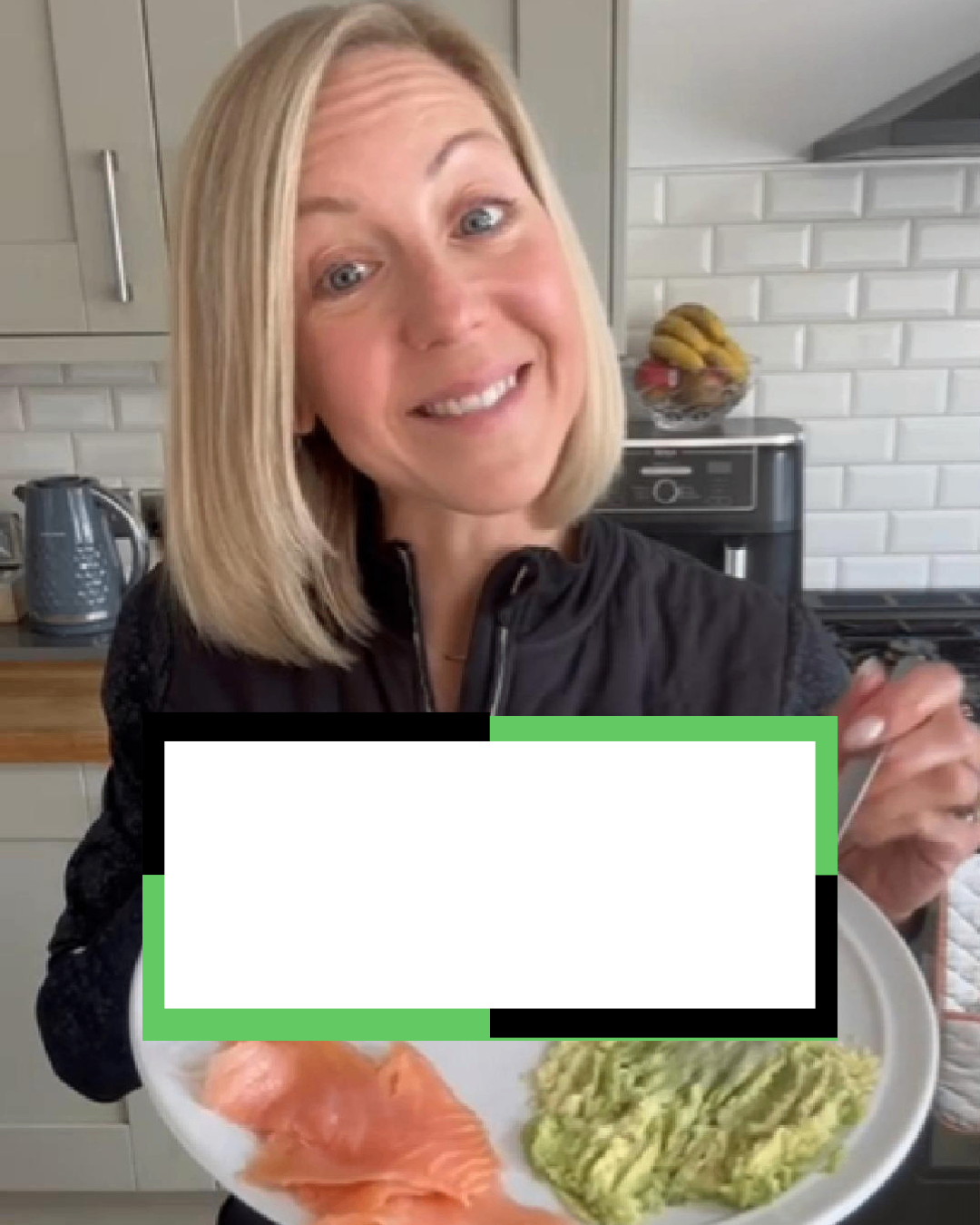
To combat insulin resistance and muscle loss, we need to focus on what we add to our plates, not just what we take away. Aim for 25–30g of protein at every meal to support muscle maintenance and keep you full. Pair this with plenty of fibre (veg and seeds) to keep your blood sugar stable.
2. Rethink Your Movement
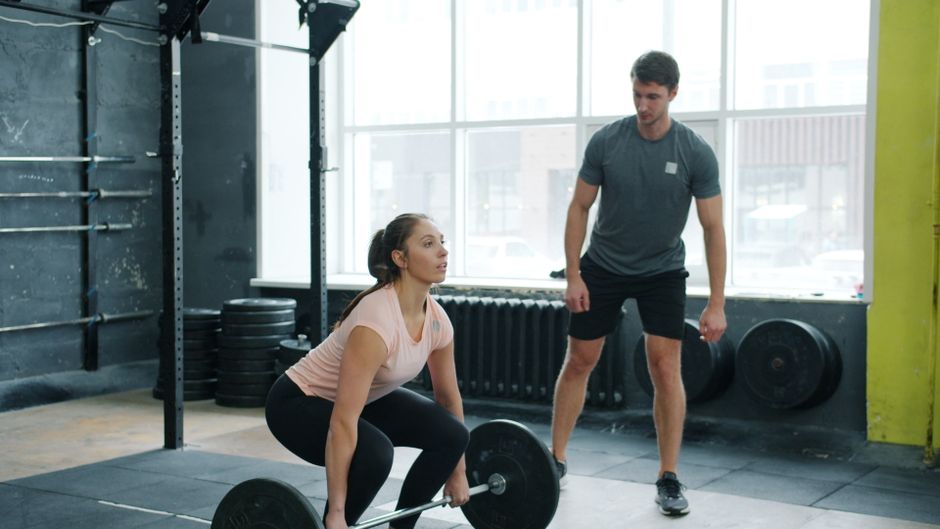
Stop punishing your body. If you’re exhausted, a restorative walk in nature or a yoga session might be more beneficial for weight loss than a spin class because it lowers your cortisol. Incorporate heavy lifting or resistance training twice a week to signal to your body that it needs to keep that precious muscle.
3. Manage the "Invisible" Stressors
Blood sugar crashes, caffeine, and late-night blue light are all stressors. By stabilising these, you give your adrenals a break, allowing your body to finally step out of "fat-storage mode."
If you're wondering where your hormones currently sit, taking a Hormone Imbalance Quiz can be a great first step in understanding the "why" behind your symptoms.
Introducing the FRESH Framework™
I developed the FRESH Framework™ specifically for women like you: women who are busy, capable, and tired of feeling like their body is a stranger. We don't do "diets" here. We look at:
F - Fuel (Personalised nutrition that balances blood sugar)
R - Rest & Recovery (Taming the cortisol beast)
E - Exercise (Movement that builds muscle without burning you out)
S - Stress Management (Nervous system regulation)
H - Hormone Support (Targeted strategies for perimenopause)
You can learn more about how this works on my REFRESH Framework page.

You Don’t Have to Figure This Out Alone
The frustration of gaining weight in perimenopause despite exercise is real, but it doesn't have to be your permanent reality. You've spent years taking care of everyone else: your career, your family, your home. Now, it’s time to "Lean On Lucy."
In my 1-1 'Lean On Lucy' coaching, we go deep into your specific triggers. We look at your sleep, your stress, and your nutrition to create a bespoke plan that actually works for your midlife body. I’m not just a menopause weight gain coach; I’m your partner in navigating this transition with confidence and clarity.
You deserve to feel like yourself again. You deserve to wake up feeling rested, to have steady energy throughout the day, and to wear those jeans without the "waistband anxiety."
Are you ready to stop the guesswork?
Let’s have a chat. We can look at what’s happening in your body and see how we can get you back on track.
Remember: Your body isn't failing you. It's just asking for a different kind of care. Let’s give it exactly what it needs.


Comments